Okay, so we know that GMO are Genetically Modified Organisms and sometimes also known as GM (Genetically Modified/Engineered). In the previous post, I've mentioned that GM foods are foods that had their DNA twig or altered.
Genetics 101 - Part 1
Genetics 101 - Part 2
Genetics 101 - Part 3
Genetics 101 - Part 4
* DNA (Deoxyribonucleic Acid) consist of many genes
* Chromosome is a compact unit of lots of DNA
* In one human cell, we have 46 chromosomes or 23 pairs of chromosomes
* A genome of an organism consist of ALL hereditary information of that particular organism
* Genes are instruction guides that direct the production of proteins which give 'orders' to tell our body how it should function
Like us, foods are controlled by their genes. By 'decoding' their genes, we are able to differentiate the 'good' genes from the 'bad' genes.
'Natural' selection was practiced centuries ago; ever since domestication occurred. Farmers chose the best crop (usu. the sweetest or qualities that display 'freshness') and continued using seeds from that crop. In this world, only the fitness/strongest survive. However, 'natural' selection takes time as we need to choose from a large variety. Often, the best of the crop might not be the best. How then in the present world of everything instant to we achieve results fast?
The answer would be GMO foods. By altering the genes of plants, we are able to select desirable traits fast than 'natural' selection.
Some may say: When tampering with the their natural genes, are we trying to play God?
Well, all organisms go through constant change to ensure that the fittest survive. This explains why the modern day wheat differs from its 'Neanderthal' counterparts.
As with all technologies, there are certain risks involves; nothing is 100% safe. Perhaps, we should take the risk for a greater benefit.
References:
http://www.bionewsonline.com/d/what_is_genome.htm
http://www.ext.vt.edu/pubs/biotech/443-002/443-002.html
http://www.scq.ubc.ca/plant-breeding-versus-plant-genetics/
http://history.nih.gov/exhibits/genetics/sect5.htm
http://learn.genetics.utah.edu/units/basics/tour/
http://www.safe-food.org/-issue/dangers.html
http://www.jri.org.uk/brief/gmchr.htm
http://www.youtube.com/watch?v=eOvMNOMRRm8
http://history.nih.gov/exhibits/genetics/sect1a.htm
http://www.accessexcellence.org/AE/AEPC/NIH/gene03.php
Thursday, June 5, 2008


Tuesday, June 3, 2008
GMO foods!


GMO corn, GMO apples, GMO flowers...what exactly is GMO? This abbreviation refers to Genetically Modified Organisms whose DNA has been twig by genetic engineering.
Like all inventions, they have pros and cons.
As Singaporeans, we like to have the best, eat the best, dress the best, score the best etc. Everything we do, we want the BEST! This technology might actually be the solution to that, especially in food =)
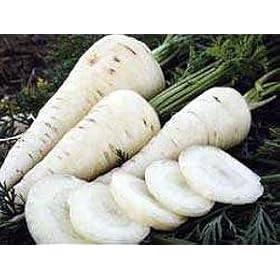
Modifying food is not new as we thought it is. Actually, it has occurred several hundred years ago. A fine example is the root vegetable - carrots
A long long time ago, carrots used to be white, purple, yellow...but NEVER orange. Also, carrots back then were not as sweet as they were now.
It was during the 15th century, the Dutch in attempt to nationalise the vegetable in the colour of the House of Orange (the king at that time was William of Orange or also known as William the Silent)
Dutch farmers cross breed the carrots into a carrot that was orange which later dominated the world as the main species of carrots.

http://ecx.images-amazon.com/images/I/41pj2e7CQJL._SL500_AA280_.jpg http://www.global-b2b-network.com/direct/dbimage/50347228/Red_Carrots.jpg
 http://www.global-b2b-network.com/direct/dbimage/50347228/Red_Carrots.jpg
So you see, this technology has caused foods to 'naturally' be modified but most of the time, they are man-made. Even what we thought was 'natural' like the orange carrot turns out to be 'unnatural'.
But is this story strong enough to give the thumbs up for GMO food to be accepted internationally or at least locally first?
Reference:
http://environmentalcommons.org/gmo.html
http://www.carrotmuseum.co.uk/history.html
Sunday, April 20, 2008
Cheese me not?
A simple summary of what happened:
"The Campania region around Naples, source of most of Italy’s buffalo milk, is also plagued by illegal burning and dumping of trash and industrial waste by the Camorra, the local mafia. Dioxins, an especially nasty type of chemical pollutant, turned up in January in buffalo milk from some dairies in the region, probably because of the dumping. Investigations, scary headlines, health warnings and consumer qualms about the otherwise coveted cheese have ensued."
http://thelede.blogs.nytimes.com/2008/03/28/fallout-from-the-mozzarella-scare/
Basically, due to this incident, it cause a fiasco among cheese-lovers in Europe. Being a cosmopolitan city, this shocking news hit our shores before we knew it.
SINGAPORE, March 29 (Reuters) - Singapore has stopped sales of all Italian mozzarella cheese made from buffalo milk after Italy on Friday ordered a recall of the product that was potentially contaminated with cancer-causing dioxin.
Singapore's Agri-Food and Veterinary Authority (AVA) said it had stopped all sales of the cheese pending laboratory tests as a precautionary measure.
The last import of Italian buffalo mozzarella cheese into Singapore was on Jan. 6, but due to limited information it was unclear if the imported cheese was contaminated, the AVA said.
Italy's Health Ministry said on Friday it was withdrawing products from 25 companies in the Campania region, where Italy's best buffalo mozzarella is produced.
http://www.reuters.com/article/latestCrisis/idUSSIN146195
The source of mozzarella cheese comes from Buffalo milk. And the contaminant being dioxin. So what is dioxin?
It refers to a group of chemicals that are highly persistent in the environment. This group of toxins are usually produced by burning items that contain chlorine and hydrocarbon (i.e. plastic, fuel, CFCs [Chlorofluorocarbons] etc.) This toxin is usually found near incineration plants. Surprisingly, production of this atrocious toxin can occur naturally i.e. volcanic eruption.
This toxin, when exposed to, can cause skin irritation and at worst, cancer.
Cheese is valued in European countries. With this crisis, cheese prices have hit a bottom low.
However, since we belong to a Asian society, our contact we mozzarella cheese is minimal. But, let us not be complacent but learn from this incident.
Lesson learnt:
*Be aware of the enviroment i.e. The placing of food processing factories shouldn't be near toxin producing ones.
*If toxins are introduced, make food recall to stop the affected food from being transported.
*Apply HACCP techniques to prevent
References:
http://thelede.blogs.nytimes.com/2008/03/21/italys-mozzarella-makers-fight-dioxin-scare/
http://thelede.blogs.nytimes.com/2008/03/28/fallout-from-the-mozzarella-scare/
http://www.ejnet.org/dioxin/
http://www.who.int/mediacentre/factsheets/fs225/en/index.html
"The Campania region around Naples, source of most of Italy’s buffalo milk, is also plagued by illegal burning and dumping of trash and industrial waste by the Camorra, the local mafia. Dioxins, an especially nasty type of chemical pollutant, turned up in January in buffalo milk from some dairies in the region, probably because of the dumping. Investigations, scary headlines, health warnings and consumer qualms about the otherwise coveted cheese have ensued."
http://thelede.blogs.nytimes.com/2008/03/28/fallout-from-the-mozzarella-scare/
Basically, due to this incident, it cause a fiasco among cheese-lovers in Europe. Being a cosmopolitan city, this shocking news hit our shores before we knew it.
SINGAPORE, March 29 (Reuters) - Singapore has stopped sales of all Italian mozzarella cheese made from buffalo milk after Italy on Friday ordered a recall of the product that was potentially contaminated with cancer-causing dioxin.
Singapore's Agri-Food and Veterinary Authority (AVA) said it had stopped all sales of the cheese pending laboratory tests as a precautionary measure.
The last import of Italian buffalo mozzarella cheese into Singapore was on Jan. 6, but due to limited information it was unclear if the imported cheese was contaminated, the AVA said.
Italy's Health Ministry said on Friday it was withdrawing products from 25 companies in the Campania region, where Italy's best buffalo mozzarella is produced.
http://www.reuters.com/article/latestCrisis/idUSSIN146195
The source of mozzarella cheese comes from Buffalo milk. And the contaminant being dioxin. So what is dioxin?
It refers to a group of chemicals that are highly persistent in the environment. This group of toxins are usually produced by burning items that contain chlorine and hydrocarbon (i.e. plastic, fuel, CFCs [Chlorofluorocarbons] etc.) This toxin is usually found near incineration plants. Surprisingly, production of this atrocious toxin can occur naturally i.e. volcanic eruption.
This toxin, when exposed to, can cause skin irritation and at worst, cancer.
Cheese is valued in European countries. With this crisis, cheese prices have hit a bottom low.
However, since we belong to a Asian society, our contact we mozzarella cheese is minimal. But, let us not be complacent but learn from this incident.
Lesson learnt:
*Be aware of the enviroment i.e. The placing of food processing factories shouldn't be near toxin producing ones.
*If toxins are introduced, make food recall to stop the affected food from being transported.
*Apply HACCP techniques to prevent
References:
http://thelede.blogs.nytimes.com/2008/03/21/italys-mozzarella-makers-fight-dioxin-scare/
http://thelede.blogs.nytimes.com/2008/03/28/fallout-from-the-mozzarella-scare/
http://www.ejnet.org/dioxin/
http://www.who.int/mediacentre/factsheets/fs225/en/index.html
Sunday, April 6, 2008
Eat and face the consequences
In this day of technology, studying has no longer been enveloped in a building but advanced to more than just books, paper and pen; As you are reading this, you should know that this blog is part of studying! As a matter of fact, it is for my latest module - Food Safety. Just by the name, all sort of thoughts run through my mind: Testing whether this food is harmless, knowing the steps in ensuring minimal or nil presence of microbes on food, procedures to be aware of…and the list goes on.
With all the food scares/incidents, how to ensure food that reaches our table are safe and consumable? Tune in to find out =D
With all the food scares/incidents, how to ensure food that reaches our table are safe and consumable? Tune in to find out =D
Subscribe to:
Comments (Atom)
.JPG)